How long should you wait between Botox appointments to keep lines soft without freezing your expression? Most people do best on a rhythm of 3 to 4 months, guided by how your muscles recover and how your results look in real life. The right timing, paired with smart skincare and a few lifestyle tweaks, keeps your results smooth, natural, and consistent.
I have treated thousands of faces, from first timers who want to soften frown lines to veteran patients who know exactly when their 11s start to creep back. Maintenance is not a one-size calendar entry. It’s an ongoing conversation between your muscles, your injector, and your daily habits. If you understand what Botox can and cannot do, you’ll avoid the yo-yo effect and the “too much” look, and you’ll spend less overall.
What Botox Does, and What It Doesn’t
At its core, what is Botox? It is a purified neuromodulator, onabotulinumtoxinA, approved by the FDA for cosmetic use in the glabella (frown lines), crow’s feet, and forehead lines, among other medical indications. How does Botox work? It temporarily blocks the release of acetylcholine at the neuromuscular junction, relaxing targeted muscles so etched lines soften and dynamic wrinkles don’t fold with every expression.
When does Botox kick in? Expect the first changes around day 3 to 5, with peak results around day 10 to 14. How long for Botox results to fully settle? Give it that full two weeks before judging, especially in the forehead where balancing the frontalis with the glabella takes finesse.
Is Botox permanent? No. How long does Botox last? On average 3 to 4 months. Some maintain response up to 5 to 6 months in smaller treatment areas like crow’s feet or when doses are higher. Why does Botox wear off? Your nerve endings sprout new terminals, gradually restoring muscle contraction. This is normal physiology, not “immunity.”
Botox doesn’t fill hollow areas, lift cheeks, or fix sagging skin. Can Botox tighten skin? It can make skin look smoother by reducing muscle folding, which can give the impression of tighter skin around the eyes and forehead, but it does not address laxity the way energy devices or fillers do. Can Botox lift eyebrows? Skillful placement can create a subtle brow lift by reducing the downward pull of the corrugator and orbicularis, typically 1 to 2 millimeters in appropriately selected faces. It will not replace a surgical lift.
The Maintenance Timeline: How Often to Get Botox and When to Redo
Most people thrive on touch-ups every 12 to 16 weeks. A few practical notes from the clinic:
- If you are new, commit to two to three consecutive treatments on that timetable. Consistency trains the muscles and gives you more even, longer-lasting results. Many first timers notice better longevity on the second and third rounds. If you are very athletic, especially with high-intensity interval training or long endurance sessions, you may metabolize faster and lean toward 10 to 12 weeks. If your lines are fine and you prefer subtle movement, spacing to 4 to 5 months may suit you.
How to tell if Botox worked and when to go back: You can still move your face, but you are not creasing hard into the deepest lines. If your 11s or forehead lines start showing at rest or you see makeup settling into grooves again, you are ready for a check-in. A simple mirror test helps: raise your brows and frown, watch the skin. If dynamic motion creates deep furrows that linger, it’s time.
How often to redo Botox after many years? The interval usually remains similar. What happens if you stop Botox? Your muscles regain full function and your lines return to their baseline trajectory. Stopping does not worsen wrinkles, but you lose the preventative benefit of minimizing repetitive folding. Think of Botox as wearing sunglasses to reduce squinting. Remove the sunglasses, and squinting resumes.
Units, Areas, and Natural Results
How many units of Botox you need depends on anatomy, gender, muscle strength, and aesthetic goals. There is no universal formula, but common starting ranges for cosmetic areas are botox near me well established:
- Frown lines (glabella): often 15 to 25 units. How many units for frown lines depends on the strength of your corrugators and procerus. Forehead (frontalis): often 6 to 14 units to avoid heavy brows, balancing what was placed in the glabella. How much Botox for forehead is directly tied to brow position and your natural arch. Crow’s feet: often 6 to 12 units per side. How many units for crow’s feet varies with eye size and smile intensity.
How much Botox is too much? When doses or placement compromise brow function, flatten expressions, or drop the brows or eyelids. Natural Botox results come from precise mapping and measured dosing, not simply adding more until there is zero movement. Does Botox change facial expression? It should soften harsh movements while preserving your personality. How to prevent frozen face: favor tailored doses, respect your anatomy, and avoid chasing total immobility.
Can Botox fix asymmetry? Often, yes. Uneven eyebrows or a one-sided smirk can be balanced by asymmetric dosing. The result depends on the cause. If bone or volume asymmetry is driving the imbalance, neuromodulator alone may not correct it.
Safety, Pain, and Rare Complications
Is Botox safe? When administered by trained medical professionals using FDA approved product and proper technique, Botox has a strong safety record. Is Botox painful? Most describe it as quick pinches. Ice, a small needle, and slow technique make a big difference. Does Botox hurt around the eyes? Slightly more sensitive, but still brief.
Can Botox go wrong? Complications are usually temporary but can be distressing. Can Botox cause droopy eyelids? Yes, if product diffuses into the levator palpebrae or if brow support is over-relaxed. Risk is minimized with correct mapping, conservative forehead dosing, and strict aftercare. Can Botox migrate? True migration is uncommon beyond the immediate diffusion radius, which is influenced by dose, dilution, and injection technique. Following what to avoid after Botox in the first 24 hours helps.
Can Botox cause headaches? Some patients get a transient headache after treatment. It usually resolves in a day or two and tends to diminish with subsequent sessions. If persistent, tell your injector. If you have a history of migraines, mention it during your Botox consultation.
Botox FDA approved uses include glabellar lines, lateral canthal lines, and forehead lines. Off-label use is common and can be safe in experienced hands, but you should understand the risks and sign an informed consent form that reflects your plan.
Preparing for a Treatment: Small Steps, Big Difference
How to prepare for Botox starts a week before. Avoid blood thinners when possible. If your physician approves, pause fish oil, high-dose vitamin E, ginkgo, and nonsteroidal anti-inflammatories for about 5 to 7 days. Limit alcohol for 24 hours. Arrive without heavy makeup on the treatment areas. If you bruise easily, consider oral arnica started the day before, though evidence is mixed. Hydrate and eat a light snack so you are comfortable and less prone to lightheadedness.
What to ask at a Botox consultation matters. Ask how many units they plan, which muscles they’ll treat, and how they protect brow position. Ask to see photos of results that match your goals, and discuss your baseline asymmetries and expression preferences. How to choose a Botox injector: prioritize training, experience, photographic evidence, and a measured approach over bargain hunting. Low cost can signal over-dilution or inexperience. How much does Botox cost varies widely by region and practice. In the United States, you may see 10 to 20 dollars per unit, with typical aesthetic treatments ranging from 200 to 700 dollars depending on the areas treated and total units used.
How long does Botox take? Most sessions run 10 to 20 minutes. The conversation beforehand is often longer than the injections.
The First 24 Hours: Aftercare That Protects Your Results
Botox downtime is minimal, but the first day shapes your outcome. What to avoid after Botox: skip heavy workouts, saunas, hot yoga, or face-down massage for 24 hours. Avoid pressing or rubbing the treated areas, including aggressive cleansing or facial tools. Can you wash face after Botox? Yes, gently, with lukewarm water and light pressure. How to sleep after Botox: stay on your back for the first night if possible, with your head elevated on a pillow to reduce swelling.
What to expect after Botox during those first hours: tiny bumps at injection sites, mild redness, occasional pinpoint bruising. How to reduce swelling after Botox: a clean, cool compress for a few minutes on and off works well, but avoid heavy pressure. Skip makeup for a couple of hours so the pinpricks can close.
When to see results from Botox: look for early softening by day 3 to 5, with your final look at two weeks. Book a checkup around that time if your clinic offers touch-ups. A conservative add can refine the result. If you notice an eyebrow quirk, a tiny imbalance is often easy to correct.
Lifestyle Levers That Make Botox Last Longer
How to make Botox last longer is part habit, part biology. Sun, stress, and exercise patterns influence longevity.
- Sun protection is non-negotiable. Photoaging accelerates collagen breakdown and deepens static lines. Use a broad-spectrum SPF 30 or higher daily, reapply outdoors, and wear sunglasses to reduce squinting. Manage intense exercise right after treatment. How long after Botox can you exercise? Resume light movement after 24 hours. High-intensity, inverted positions and long endurance sessions can increase facial blood flow and, early on, may encourage diffusion, which you want to avoid. Reduce repetitive movements. If you squint at screens, adjust brightness, wear blue-light filtering if it helps your comfort, and keep your prescription updated. These small adjustments cut the micro-repetitions that etch lines. Support your skin barrier. A strong barrier makes everything look better and can reduce the appearance of fine lines.
Diet and sleep matter too. Aiming for steady hydration, adequate protein, and 7 to 8 hours of sleep helps skin recover. High alcohol intake and smoking degrade collagen and make lines more pronounced, undermining any neuromodulator’s cosmetic effect.
Skincare That Complements Botox
The smartest Botox skincare combo blends prevention, repair, and gentle actives. Retinoids remain the gold standard for collagen support and smoothing texture. If your skin tolerates them, apply a pea-sized amount of a retinol or tretinoin at night, 2 to 5 nights per week, and moisturize appropriately. Vitamin C serum in the morning improves brightness and fights free radicals. Peptides can support hydration and fullness but are not a substitute for retinoids.
Hyaluronic acid holds water in the skin and plumps fine lines on the surface, giving you a more refined finish to complement relaxed muscles. For sunscreen, choose lightweight formulas you enjoy applying so you actually use them. Mineral or hybrid filters often sit nicely under makeup. If you tend to dryness post-treatment, ceramide-rich moisturizers are your friend.
Can Botox help acne? Indirectly, fewer forehead muscle contractions can reduce oil flow slightly for some, and less friction across the skin might help. But Botox is not an acne treatment. If acne is a concern, layer in proven acne therapies and discuss options with your dermatologist.
Calibrating Expectations: Subtle vs. Strong
Your goal dictates your dosing philosophy. If you model or perform and need full brow mobility, you can still soften lines while preserving movement. That often means lower doses and more frequent visits. If your goal is to stop deep 11s from digging in, you might accept less motion. Natural does not mean under-treated. It means your result matches your face, your expressions, and your job.
When patients ask, is Botox worth it, the answer depends on how much dynamic wrinkling bothers you and how you feel about maintenance. If those furrows make you look tired or tense, and you value quick, predictable appointments with minimal downtime, it often is. If you hate maintenance schedules or want a one-and-done fix, it may not meet your expectations.
Age, Prevention, and First Timer Guidance
What age to start Botox depends on your lines and your habits, not the number on your driver’s license. Some start in their late 20s or early 30s when they see faint etched lines at rest. Preventative Botox can reduce the habit of over-frowning and limit deep creasing. How early to start Botox is a personal choice; without visible lines or strong dynamic movement, you may not need it yet. How to know if you need Botox: look for lines that linger when your face is neutral, and ask for an assessment focused on your goals and anatomy.
For the Botox first timer, plan a conservative initial dose, then adjust at a two-week check. When you see your final look, you will better understand whether you crave more motion or more smoothing. That first cycle teaches you a lot about how your muscles respond.
When Things Aren’t Perfect: Fixes and Timeframes
Even in skillful hands, edge cases happen. A peaked or heavy eyebrow, a subtle eyelid droop, or a smile that feels slightly asymmetrical can show up as the product settles. Communicate early. Minor brow quirks are often easy to balance with a unit or two placed strategically. Can Botox cause droopy eyelids? If it does, the effect usually fades over weeks as the product weakens. Apraclonidine drops can lift the eyelid 1 to 2 millimeters temporarily by stimulating Müller’s muscle. You can camouflage with makeup and strategic https://batchgeo.com/map/ann-arbor-botox-allure-medical brow grooming while it resolves.
Can Botox migrate days later and cause delayed issues? Meaningful migration beyond the initial diffusion is rare. If a problem appears, it likely reflects local spread or how your anatomy responded. How to make Botox wear off faster if you dislike the result? Unfortunately, there is no antidote. Time is the cure. Some find that gentle facial movement, warm compresses, and normal activity help them psychologically adapt while waiting. How to remove Botox is not possible in the way hyaluronidase dissolves filler.
If you are very sensitive to a “pulled” feeling after forehead treatment, mention it. Lowering the forehead dose or placing units higher in the frontalis can preserve lift while still smoothing lines. Best time to get Botox if you have an event is four weeks before, so you have room for a touch-up and any tiny bruise to resolve.
My Approach to a Personalized Plan
A durable Botox plan starts with how you move. I watch you speak, frown, laugh, and raise your brows. I map injection points around your expressions, not just landmarks. I note brow height, eyelid skin, hairline position, and any asymmetry. Then I design a plan covering dose ranges, areas to treat now versus later, and a follow-up schedule.
Your Botox follow-up plan typically includes a two-week evaluation for first-time areas or when we made significant changes, then regular checkups every 3 to 4 months. We may alternate small areas at different visits to match your budget. A Botox checkup is not a sales pitch, it is quality control. Small adjustments keep you natural.
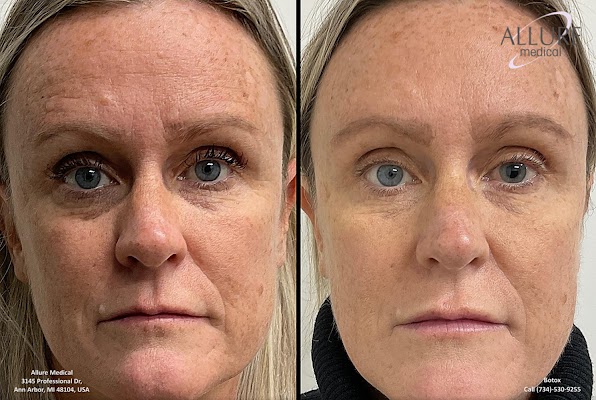
I also align your skincare with your injections. For example, if your biggest complaint is horizontal lines, I pair modest forehead dosing with nightly retinoid use and a midrange moisturizer to maintain elasticity. If your crow’s feet are deep and your skin is thin, I ensure strong sun protection, consider adding a gentle eye cream with peptides and hyaluronic acid, and plan occasional microneedling or a light peel to improve texture. That is how to maintain Botox while improving the canvas.
Common Myths and Quick Facts
A few persistent myths deserve clear answers.
- Can Botox prevent wrinkles? Yes, it reduces repetitive folding, which slows the formation of static lines. It does not stop aging or sun damage. Does Botox help wrinkles you already have? It softens dynamic lines well and can reduce shallow etched lines. Deep, static creases may need adjuncts like filler, resurfacing, or more time with consistent treatment. Can Botox tighten skin or lift cheeks? No, not cheeks. It can create a subtle brow lift when used properly. For cheeks, consider volume restoration, skin tightening devices, or lifestyle changes. Can Botox help sagging skin? Not directly. Neuromodulators do not correct laxity. Pair with collagen-stimulating treatments if sagging is your main concern. Does Botox cause headaches long-term? Data does not support chronic headaches from cosmetic dosing. Short-term headaches can occur and usually subside. Is Botox painful? It’s quick and tolerable. Topical numbing is rarely necessary for upper-face treatments, though it can be used for areas like masseters.
If You Prefer Alternatives
How to get rid of wrinkles without Botox is perfectly reasonable. Retinoids, consistent sunscreen, glycolic or lactic acid exfoliants, microneedling, and non-ablative lasers improve texture and fine lines. Stress management and sleep, though unglamorous, are potent. If your lines are driven by volume loss, filler may outperform neuromodulator in delivering the look you want. Your plan can evolve. Botox is a tool, not a mandate.
The Do’s and Don’ts That Matter Most
Here is a concise checklist I give my patients. Post it on your mirror the first week after a session.
- Do keep your head upright for 3 to 4 hours after treatment and avoid rubbing the sites. Do skip strenuous exercise, saunas, and hot yoga for 24 hours. Do plan a two-week check if you changed areas or are new. Don’t book forehead-only treatment if you have low-set brows and heavy eyelids. Balance with glabella. Don’t chase total stillness. Aim for smoother, not frozen.
Putting It All Together: A Thoughtful Routine
A strong Botox maintenance plan looks like this. You schedule treatments every 12 to 16 weeks. You build a simple skincare routine that your future self can sustain: gentle cleanse, vitamin C and sunscreen in the morning, retinoid a few nights per week, moisturizer suited to your skin type. You protect your eyes with sunglasses and use the brightness control on your laptop so you don’t squint. You move your body because it makes your skin glow, but you give your face a calm day after injections.
You treat events with forethought, not urgency. You understand that the difference between a nice result and a remarkable, invisible one is often 2 units placed in the right spot or declined in the wrong one. You ask questions, you look at your face in motion, and you adjust as you age.
If you ever feel overdone, let your cycle extend. If you feel under-treated, consider a few more units or a closer interval. If your injector only has one way to treat every forehead, find someone who treats yours as unique. Is Botox right for me is not a theoretical question. It is answered by how you feel in your skin and what you see in the mirror two weeks after a judicious, well-planned session.
Consistency is the secret. Not high doses, not chasing trends, not adding areas you do not need. Consistent timing, protective skincare, and small lifestyle choices let Botox do what it does best: soften the lines that don’t serve you and leave your expressions intact. That is maintenance done right.