Wondering how to make Botox last longer without looking stiff or overdone? You can extend smooth, natural results by pairing smart timing, precise dosing, and simple lifestyle tweaks with a skilled injector’s technique. This guide distills what matters most: practical, evidence-aligned strategies I use in clinic to get three to six months of mileage from each treatment while keeping your expression alive.
Start with the truth: what is Botox and how does it work?
Botox is a brand of botulinum toxin type A, an FDA approved neuromodulator used to soften dynamic wrinkles, the lines formed by repeated facial movement. When injected in measured units into specific muscles, it blocks acetylcholine release at the neuromuscular junction, reducing contraction. The muscles relax, the overlying skin creases less, and lines look smoother. It does not treat volume loss or skin laxity directly, and it is not permanent.
Different areas respond differently. Frown lines between the brows usually need stronger doses, the forehead needs lighter dosing to preserve brow movement, and crow’s feet tend to respond quickly with relatively small amounts. Placement, dilution, and injection depth all influence results.
The baseline timeline: when does Botox kick in and how long does Botox last?
Most people notice the first changes at day 3 to 5. Full effect typically shows by day 10 to 14, though outliers reach peak at three weeks. On average, Botox lasts about three to four months. Some patients, notably first timers or very athletic individuals, report closer to two to three months. Others, with consistent treatments and good aftercare, stretch to five or even six months in certain areas like the crow’s feet.
Why the variation? Your metabolism, muscle mass, dose, product choice, and injection technique all matter. Heavy brows with strong corrugator muscles chew through the effect faster than a delicate periocular zone. If you contract aggressively or your injector underdoses to chase ultra natural results, expect a shorter duration.
The principles of longevity
Three pillars determine how to make Botox last longer: the right plan, the right hands, and smart maintenance. A personalized plan aligns dose and placement to your anatomy, not to a one size grid. The right hands means a medically trained injector who understands functional anatomy, not just how to hit standard points. Maintenance covers post treatment care, skincare, sun behavior, and scheduling strategy.
Getting natural results that last
Here is the paradox: people often think more units equal more time. In botox near me practice, the sweet spot is enough units to fully treat the target movement without over-weakening supportive muscles. Overdosing the forehead, for example, may flatten lines for a moment but can push the brows downward and shorten duration due to unwanted compensation from neighboring muscles.
Botox can look natural and still last well. The aim is balanced weakening. I ask patients to animate during mapping, then mark the actual movement pattern. Two people with the same number of horizontal forehead lines often need different placements. Natural results depend on respecting how your face expresses, especially around the eyes and mouth. The fewer compensatory patterns we trigger, the longer the effect tends to hold.
Pre treatment prep: small steps that make a difference
Good prep reduces bruising and swelling, makes the session smoother, and sets you up for better diffusion where you want it and less migration where you don’t. If you take fish oil, vitamin E, ginkgo, high dose garlic, or nonsteroidal anti inflammatory drugs, your injector may recommend pausing them for a few days before treatment if safe for you. Hydrate well, eat a light meal, and arrive with clean skin. Skip alcohol the night before. Know your goals, and bring photos of your natural expression and any prior results you loved or disliked. That conversation shapes dose and placement more than a single selfie ever could.
The role of units, areas, and expectations
How many units of Botox do you need? Ranges help, but personalization wins.
- Frown lines, the glabellar complex, often require 15 to 25 units to neutralize the corrugator and procerus muscles while maintaining a soft central raise when you look up. Forehead lines usually need 6 to 14 units spread horizontally to preserve brow support. Too much here risks brow drop, not only an aesthetic issue but a comfort one. Crow’s feet commonly respond to 6 to 12 units per side depending on depth of lines and eye shape.
Those are adult averages. Smaller faces or lighter muscle activity may use less; heavy musculature often needs more. The question of how much Botox is too much comes down to function. If your brows feel heavy, your smile looks pinched, or speech feels altered, the dosing or placement missed your functional baseline. Frozen face is preventable with careful mapping and respect for muscle balance.
Aftercare that really counts
The first day matters. Botox is a protein that remains at the injection site as it binds to nerve terminals. Excess pressure or heat can encourage spread to unintended areas. Avoid rubbing, facials, massage, sauna, hot yoga, or tight headwear for 24 hours. Keep your head elevated for several hours and sleep on your back the first night if possible. You can wash your face after Botox, just be gentle and avoid scrubbing. Makeup is fine after a few hours if there is no pinpoint bleeding.
Exercise raises blood flow and can affect early diffusion. How long after Botox can you exercise? I recommend skipping vigorous workouts for 24 hours. Walking is fine. By day two, you can resume your normal routine. These small choices can prevent complications like transient eyelid heaviness from toxin migrating into the levator palpebrae.
How to maintain Botox once it settles
Once the effect peaks, maintenance shifts to skin health and timing. Dry, sun damaged skin shows creasing earlier. Use a morning antioxidant serum, broad spectrum SPF 30 or higher every day, and retinoid at night if tolerated. Hyaluronic acid serums and a balanced moisturizer help reduce the appearance of fine lines between treatments. If you combine Botox with gentle in office treatments like light chemical peels or low energy resurfacing two to four weeks after injections, you often extend the perceived smoothness because the skin surface itself improves.
A note on sunscreen: UV exposure accelerates collagen breakdown, which deepens static lines. Botox softens movement but does not repair collagen. Daily SPF pays off as much as any unit count tweak.
The scheduling strategy: how often to get Botox without overdoing it
Optimal spacing depends on the area and your goals. For most patients, how often to redo Botox lands between every 3 to 4 months. If you want preventative Botox for early lines, you can often maintain every 4 to 6 months once properly dosed. The best time to get Botox is before lines etch in at rest. Once static lines form, you may need adjuncts like microneedling or laser to polish the surface while Botox prevents further etching.
There is a rare phenomenon called antibody formation, which can blunt results. The risk appears low at cosmetic doses, but frequent high dose touchups raise the chance. Another reason not to chase monthly micro injections. Stick to a plan. If you feel pull returning earlier, check for stress, sleep changes, or workouts that involve heavy facial strain, then adjust at the next session rather than stacking quick fixes.
Why does Botox wear off?
Neuron terminals sprout and reestablish acetylcholine signaling over time, which is why Botox is not permanent. Your body also metabolizes the protein. Stronger muscles regain function faster. Overuse of the treated muscle group while the toxin is wearing off can hasten the return. Hormonal shifts, intense endurance training, and high baseline metabolism can shorten duration by a few weeks.
The dos and don’ts that actually extend longevity
- Do schedule a two week checkup. Minor tweaks can balance the pattern without overcorrecting. A small top off in a resistant fiber bundle can add months of harmony. Don’t massage the area or sleep face down the first night. Migration risks rise when pressure is applied before binding completes. Do keep your skincare consistent. Retinoids, peptides, and sunscreen extend the cosmetic payoff even when the neuromodulator begins to fade. Don’t chase budget only. How much does Botox cost varies by region and provider, but technique and safety drive value. A cheaper session that needs repair or fades fast is not a savings. Do communicate your expression goals. If you lift your eyebrows during makeup or on camera, your injector can protect that movement while still smoothing central lines.
Addressing common concerns and myths
Is Botox safe? Used properly by trained clinicians, yes. It has a decades long safety record. The FDA has approved botulinum toxin type A for several medical and aesthetic indications. Typical side effects include temporary redness, small bruises, or a headache in the first day or two. Serious complications are uncommon when dosing is appropriate and anatomy is respected.
Is Botox painful? Most describe it as quick pinches. Ice or vibration helps. A forehead and glabella session often takes under 10 minutes. How long does Botox take overall including consult and consent? Plan for 20 to 30 minutes.
Can Botox go wrong? Poor placement can cause asymmetry, eyelid heaviness, or an arched “Spock” brow. These are fixable in most cases by balancing opposite muscles or waiting for partial wear off. Choose an injector who welcomes a follow up visit and has a plan for touchups.
Can Botox cause droopy eyelids? It can, typically when product diffuses into the levator muscle. This risk is minimized by not rubbing, avoiding heat, and precise injection technique. If it occurs, prescription eyedrops can temporarily lift the lid while the effect fades over a few weeks.
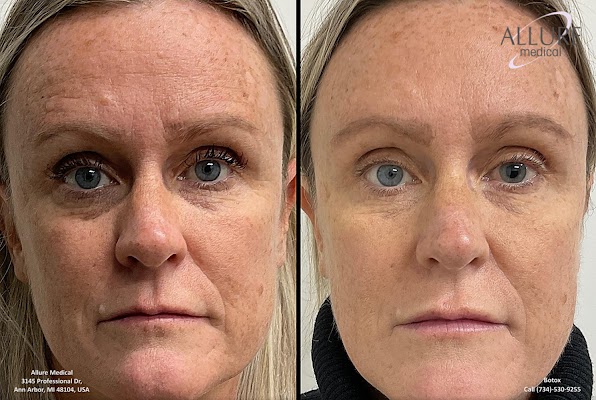
Does Botox change facial expression? The goal is to soften overactive lines while preserving conversational expressiveness. With skillful dosing, you should look like you, just more rested. How to prevent frozen face comes down to injector experience, patient communication, and respecting anatomy with conservative forehead units.
Can Botox migrate? True long distance migration is unlikely with cosmetic doses. Early spread millimeters away can happen if pressure or heat is applied too soon or if the dose was placed too superficially. Good aftercare matters.
Tailoring your plan: age, goals, and prevention
What age to start Botox depends on your lines and your preferences. Some begin in their late 20s for prevention, especially if they have strong frown lines from screen time or squinting. How early to start Botox is a judgment call, but I usually suggest waiting until a dynamic line is visible daily, not just during intense expression. Preventative Botox works by reducing repetitive folding that eventually etches static lines. For established static lines, combine with collagen building.
If your goal is a smoother forehead without flattening personality, ask about micro dosing in the lower forehead with more robust glabellar treatment. That subtracts the “angry 11s” while preserving lift. If you ask can Botox lift eyebrows, the answer is mild, strategic lift at the tail or central brow is possible by weakening the depressor muscles more than the elevator. Overdo it and the brow shape looks unnatural. Precision wins.
Units for common areas, with judgment applied
How much Botox for forehead? Often 6 to 14 units. How many units for frown lines? Commonly 15 to 25 units. How many units for crow’s feet? Around 6 to 12 per side. These are starting points. If you have asymmetry, a past brow injury, or a habit of raising one side more, expect asymmetric dosing. Can Botox fix asymmetry? It can improve movement asymmetry, though bony or soft tissue asymmetry may need fillers or energy devices.
How to tell if Botox worked: at day 10, try frowning or raising your brows. You should see less movement and fewer creases, yet your face should read as you. If you still have strong central pull or one brow peaks, book the follow up. A two minute touchup often transforms the outcome.
Skin quality and combo treatments that help results last
Botox addresses movement. Skin quality determines how light bounces and whether fine etching distracts. Pairing neuromodulators with medical grade skincare and occasional collagen stimulating treatments can extend the perception of smoothness beyond the exact month your neuromodulator wanes. If you are looking to tighten skin, know that Botox does not lift cheeks or tighten laxity directly. Microneedling, radiofrequency, or focused ultrasound devices are better suited for tightening. For acne prone skin, does Botox help acne? Not directly. Reduced sweat or oil might make makeup sit better, but acne needs targeted care.
If you want to get rid of wrinkles without Botox, consider retinoids, antioxidants, peptide serums, consistent SPF, and procedural options like fractional laser or microneedling. These do not paralyze muscles, so they will not best botox near me soften dynamic lines the same way, but they build a better canvas.
Handling special cases: first timers, athletes, and camera ready professions
For a Botox first timer, I lean slightly conservative in the forehead to preserve confidence. Plan the session at least three weeks before major events to allow for full onset and any tweaks. When to see results from Botox varies, so avoid booking it five days before a wedding or shoot.
Endurance athletes and people with very active facial expressions often metabolize faster. You might land at 10 to 12 weeks of strong effect. We can adjust with slightly higher units in robust muscles and talk about a stricter first 24 hour aftercare to minimize early spread. For those on camera who need micro expression, we prioritize glabellar control with restrained forehead dosing to keep lift.
What to expect in the days after treatment
Day 0: small bumps at injection points disappear within an hour. Some redness or mild swelling is normal. Avoid pressure and heat. Gentle face washing is fine.
Day 1 to 3: mild headaches can occur. Many feel nothing. Early changes may start.
Day 4 to 7: effect builds. Don’t judge too soon if one side seems slightly stronger. Muscles quiet at different rates.
Day 10 to 14: peak result. This is the check in window for evaluation.
If you notice a strong asymmetry or an odd eyebrow shape after day 10, message your provider. Avoid trying to fix it with extra units at a random spa. Distribution and dilution must consider what is already in place.
" width="560" height="315" frameborder="0" allowfullscreen="" >
Risks, consent, and making the decision
Botox risks include bruising, swelling, headache, flu like feelings, asymmetry, transient eyelid heaviness, or rare allergic reactions. A proper consent form should outline these. A good injector reviews your medical history, medications, pregnancy or nursing status, and past experiences. If you have a neuromuscular condition, you need an individualized plan or may be advised to avoid treatment.
Is Botox worth it? If dynamic lines bother you or you want preventative softening, often yes. If your main concerns are volume loss, sagging skin, or deep etched lines at rest, you will need combination approaches. Set expectations at the consultation: what Botox can and cannot do, when to expect results, and how long they will last for you.
Choosing the right injector and what to ask
Credentials, a nuanced approach, and a willingness to say no to unsafe requests matter more than price per unit. During your Botox consultation, ask how they assess movement patterns, what their typical unit ranges are for your anatomy, how they handle touchups, and what aftercare they recommend. A personalized plan documents the areas treated, units used, dilution, and your response at follow up, building a data trail to fine tune future sessions.
Longevity boosters you can control
Two categories stand out: behavior and skin care. Prioritize sun protection, adequate protein, and sleep. Manage stress where possible; stress amplifies frowning and brow tension. If you clench your jaw, treating masseters for comfort may reduce mid face pull that competes with brow position. Keep your skincare steady and gentle around peak onset to avoid unnecessary irritation. And keep a simple log of your treatment dates, unit counts, and when you first notice return of movement. Patterns emerge, and scheduling gets smarter.
What if you want Botox to wear off faster?
Sometimes you do not love a result or a specific brow feels heavy. How to make Botox wear off faster is mostly about patience. Gentle facial movement as it returns is fine, but aggressive massage or heat right after treatment risks unwanted spread, not faster metabolism. Time remains the safest fix. In select cases, targeted micro dosing in antagonist muscles can balance the look while you wait. Avoid unproven “detox” ideas. Your body will naturally restore function.
When is Botox not the right tool?
If your main complaint is sagging cheeks or significant skin laxity, Botox will not lift cheeks or produce a lower face lift. Consider skin tightening or fillers for structure. If etched forehead lines remain at rest even when fully treated, you may benefit from fractional laser or microneedling in addition to consistent neuromodulation. If you prefer to keep every micro expression intact, a lighter plan or no plan may be best. Honest goals lead to satisfaction.
The cost conversation and value over time
How much does Botox cost depends on region, injector experience, and whether you are charged per unit or per area. Per unit pricing is transparent and lets you pay for exactly what you need. An elegant, properly dosed session that lasts the expected duration is better value than a discount session that fades early or causes asymmetry. Ask for a clear plan with unit counts so you can compare apples to apples.
A simple step by step for the first 24 hours
- Keep your head elevated for several hours and sleep on your back the first night. Skip vigorous exercise, saunas, steam rooms, and hot yoga for 24 hours. Do not rub, massage, or apply firm pressure to treated areas. Avoid tight hats or headbands pressing on the forehead during the initial hours. Use gentle skincare; you may apply light makeup after a few hours if the skin looks calm.
When to call your provider
If you develop significant eyelid drooping, unusual pain, or a strong asymmetry that persists past two weeks, reach out. If you get a headache, hydration and over the counter pain relief typically help, but ask your provider before taking aspirin or NSAIDs if you bruise easily. A good follow up plan includes a two week checkup, documentation of response, and touchup if indicated.
Final take: how to make Botox last longer
Better, longer lasting Botox results come from a coherent plan rather than a single trick. Start with a thoughtful consultation, map your dynamic lines, use enough units to truly quiet the target muscles, and protect function in supportive zones. Practice meticulous aftercare the first day, wear sunscreen daily, maintain a solid skincare routine, and schedule consistent follow ups. Respect your anatomy and communicate your expressive needs. The result is smooth, natural movement that holds for months, a face that reads as refreshed rather than altered, and a maintenance rhythm that fits your life rather than running it.